
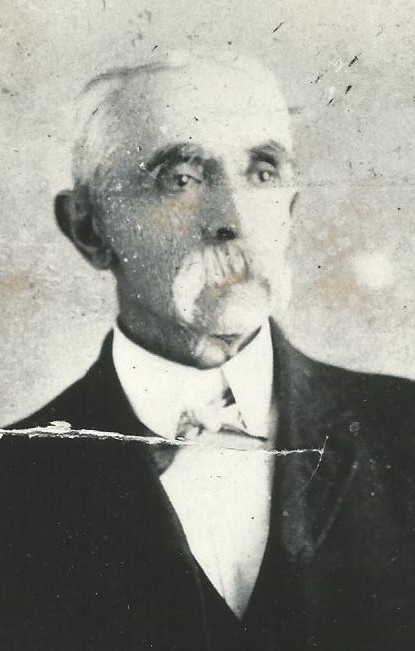
1835 born in London to Isaac Thomas Lemon King, a waiter, and Sarah
1837 christened at St Mary Paddington Green
1851 – pot boy in London
“acted in his youth with the London Printers & Bookbinders Club”
1855 March – married Louisa Aldridge in London (bookbinder)
1855 moved to Australia (bookbinder)
1867 Was a cabman. Left his wife to live with Mrs Kernohan in Emerald Hill, then to work in the goldfields in Queensland, then becomes a horse dealer.
1868 March – Charged with deserting his wife and two children. Ordered to pay her 15s a week.
1868 May – was co-respondent in a divorce case, living with Mrs Kernohan in Sydney, Queensland and Ballarat.
1868 November – King vs Thorpe. King had lent a horse to his son Alfred King on condition he should allow his mother something towards her support and to enable him also to earn something to live upon. Found for claimant with costs.
Also failed to pay for a horse sold to him by Hon Ratcliffe Pring of Brisbane – Attorney General of Queensland.
1869 September – First group of Royal Tycoon’s Private Troupe – 14 passport records for a three year tour to Hong Kong, “in the employment of a British man, Thomas King.” Includes Matsui Gensui XV/Matsui Yoshigorō and Isokichi.
1869 October – toured Hong Kong, then India, then Germany according to letter from Minister of 1872
1870 January – arrived in Sarawak with Mr Page – from Manila – their ship the Sunshine was wrecked nearby, damaging their apparatus. Then went on to Singapore.
1870 March – Royal Tycoon Troupe of Japanese in Madras and then Calcutta “under the management of Mr King”
1870 July – Royal Tycoon Troupe appear at the Crystal Palace, then the Alhambra with Tycoon’s Top Private Spinner.
1870 August – Royal Tycoon’s Private Troupe (First group) perform at the Alhambra Court Crystal Palace – Foo Gee Kitchee walking in the air, Namemensski, Oh Ra To.
1870 September – Parravicini and Corbyn announce that they are the sole and exclusive agents of “this most remarkable and talented company of 16 Japanese artistes”
1870 October – at the Curzon Hall Birmingham
1870 November – December – London
1871 Jan-Feb – tour Rotherham, Ashton, Brighouse, Leeds. 11 names given in billings for troupe of 15. Foo Gee Kitchee Wonder of Yeddo balancer, 5 boy contortionists – Koo Ma Kitchee, Ca Na Kitchee, Kin Ta, Mo To To and Ha Sa, Oh Sa Wah (female, flight of the butterflies), Eso Kitchee (juggler and equilibrist), Oh Ra To, top spinner, Mo Ko So, juvenile rope walker aged 9 and Namenoski, foot balancer, ladder feats, rope walker.
1871 February 4th – Fujikichi dies aged 39 of a tropical abscess of the liver and pyaemia (blood poisoning from the abscess). Buried in Southwark.
1871 March – May – “King’s Royal Tycoon Troupe” tours Manchester, Barnsley, Bradford, Huddersfield, Macclesfield. Fifteen artistes – “Five wonderful Japanese boys” (Koo Ma Kitchee, Ca Na Kitchee, Kin Ta, Mo To To and Ha Sa) performing as contortionists. Oh Sa Wah the first legitimate female artiste from Japan performing butterfly illusions. Eso Kitchee the inimitable Japanese juggler and equilibrist, Oh Ra To the Tycoon’s Private Top Spinner, Namenoski sensational ladder acts. Foo Gee Kitchee continues to be billed as the great shoulder balancer.
1871 June – finish tour of Britain, start tour of Europe and the USA
1872 January – Mr & Mrs King in Hamburg with the troupe
1872 May – Matsui Yoshigorō asks Isokichi and King for money for return fares to Japan for himself and three others. No money forthcoming so made way back to London and asked Japanese minister Terashima Munenori for assistance.
1872 July – A Mr & Mrs King and two children (who would have been Helen aged 8 and Rosalie aged 6) left Southampton on the P&O Mail Steamer the Mongolia on the 18th, bound for Yokohama, via Gibraltar, Malta, Alexandria, India and China.[1] There was no record of any Japanese people on the ship.
[1] London and China Express, 16 August 1872 p 12
1872 September/October – Thomas King hires another troupe of 13 Japanese performers – (second group), with funding from a French Yokohama based wine merchant, C Pasquale, to tour Britain for two years. Awata Katsunoshin, aged 41, juggler, Sakuragawa Rikinosuke, aged 29, Hoshino Torakichi aged 24, wire walker, Suzuki Bunjirō, aged 43, tub/pedal balancing (possibly had been in Lenton & Smith Dragon Troupe), Togawa Iwakichi aged 7, climber and balancer, Yanagawa Choshichirō/Itchōsai, aged 52, juggler and conjuror, Mume, daughter of Yanagawa, climber and balancer, aged 10, Shitsu/Shizu, daughter of Yanagawa, aged 6, balancer, Igarashi Hikotarō, aged 11, climber for Bunjirō, Nishida Chōtarō, aged 15, Itchōsai’s apprentice, Suzuki Ichitarō aged 9, climber and balancer for father Bunjiro, Sakai Manjiro, aged 28, rope walker, paper walker and Kondō Kikutarō, aged 14, contortionist, tumbler and wire walker.
1872 November 6 – Royal Tycoon Troupe of 13 artistes (second group) arrive in Calcutta, India on the Travancore from Yokohama with Mr C Pasquali, Mr and Mrs King, 13 Japanese and two children. Artistes include Torakitchi the invisible wire walker, Sacaranawa ladder balancer, Makichi, Bungaro tub balancer, Catshenoski’s juggling, Echowsi (Itchosai) legerdemain, Terakitchi top spinning
1873 July – Royal Tycoon Troupe (second group) arrive in Sydney on the RMS Baroda from Calcutta. Initially known as The Siamese Juvenile Troupe, then as Royal Tycoon Troupe Japanese from 1874. Came from Japan with Alfred King as interpreter – Thomas King’s son (probably brother, born 1849)
1873 October – Melbourne – King sold half his interest in the troupe to a Mr Anderson.
1873 November – King leaves Melbourne with the troupe and bill to his agent and theatre unpaid.
1873 December – King’s Combination Troupe Siamese and Japanese gymnasts. Catshenoski, Dicenoski – Ballarat
1874 April-August New Zealand – heavy losses. King sells the whole enterprise including the contract with the Japanese performers to John Borthwick. King employed as Director until November 1874.
1874 August – return to Sydney, King met by Sheriff with a writ for debt.
1874 September – petition for voluntary sequestration of his estate
1874 October – troupe extended contract with King for another year.
1874 December – Grand Asiatic Circus – The Royal Tycoon Troupe of Japanese – 13 male and female performers including two female ascensionists. T King Director, Alfred King Treasurer.
1874 December – King leaves Borthwick’s employment, handing over contract with the Japanese performers. Borthwick tries to sell enterprise to Burton & Taylor’s circus but the Japanese performers refuse to perform with anyone but King. Borthwick brings King back, King gives possession to Burton but Japanese performers again refuse to work for Burton and flee to Melbourne. Borthwick sells back the outfit to King.
1875 January – King declares himself insolvent again. Colludes with Borthwick to make the sale out to Miss Minnie Ollard, an equestrienne in the circus with whom King was living.
1875 February – charges of fraud against Borthwick dismissed.
1875 February – September troupe remain with Borthwick.
1876 April – Alfred King, Japanese interpreter is with Great Asiatic Troupe, proprietors Hiscock and Watkins
1876 August – Thomas King is named as defendant in a case of breach of contract where King hired Plumpton as pianist for his troupe, but also to allow them to have their own concerts, for a pianist Mme Carlotta Tasca and her husband, a pianist and musician, Alfred Plumpton, to tour Yokohama, Hong Kong and Singapore. King was manager of the Elcia May opera company (partly owned by Mr Vernon). King claimed 37 or 25 years of experience. King had decided not to go to Yokohama as it would be loss making.
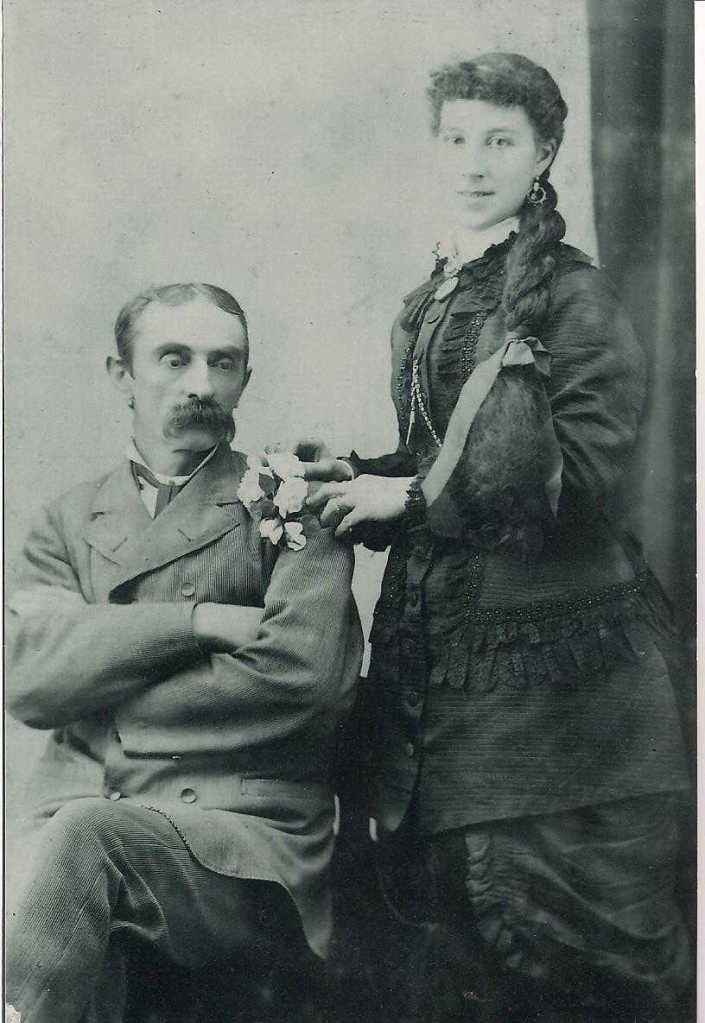
1877 July – marries Henrietta Susannah Elizabeth Donney at the Cathedral Church of St David, Hobart, Tasmania
1881 January – advertisement in The Era from Mr A Adams asking for Thomas King (Japanese) to be an agent for a troupe in Australia, to go to India.
1889 Thomas Lemon King is declared bankrupt
1914 Henrietta dies
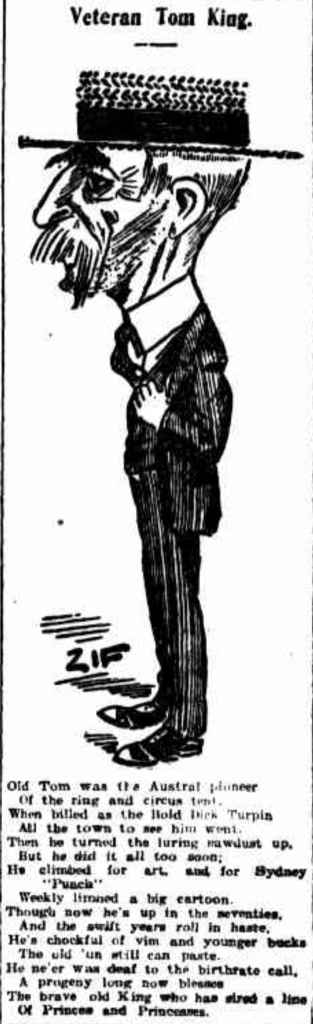
1917 Thomas/Tom King dies in Australia. “He was a kindly and courteous spirit”
 Ninjin